
"wild coffee processing"
4000 article(s) found

Ethiopian boutique coffee | Yega Sidamo washed wild ginger flower peach strawberry flavor
Professional coffee knowledge exchange more coffee bean information please follow Coffee Workshop (Wechat official account cafe_style) Ninety Plus Coffee, a boutique coffee supplier from the United States, the company was founded in 2006, in the decade since its inception, 90 + has made coffee industry around the world realize its unique charm, but also led the world's unprecedented boutique coffee mania

Ethiopian Coffee Processing Method Processing Method Sunlight
The birthplace of coffee-Ethiopia. The coffee tree originated in Ethiopia, where it was originally a wild plant, and the name coffee comes from the Ethiopian town of Kaffa. In fact, many coffee trees in Ethiopia are still wild plants, and the coffee grown on this coffee tree is full of particles and slightly fragrant. Humans may have been as early as the 9th century

The name of Ninety plus90+Kemgin wild ginger flower derives from its unique flavor classification and password classification.
Exchange of professional baristas follow the coffee workshop (Wechat official account cafe_style) Kemgin (wild ginger flower) the origin of the name: coffee from Nekempte (Nakentup town) in western Ethiopia, it is characterized by lively and clean, with slight flavors of fruit, citrus and ginger. The Kem in the name of Kemgin is quoted from the Nakentep region, and Gin is Ginger (

Introduction of Cat poop Coffee beans the origin of Kopi Luwak coffee beans boutique coffee
Civet Coffee (Kopi Luwak), native to Indonesia. It is one of the most expensive coffee in the world, with a price of several hundred dollars per pound. It is extracted from the feces of the civet and processed. The civet eats the ripe coffee fruit and is excreted through the digestive system. After it is fermented through the stomach, the coffee produced has a special taste and has become a grab in the international market.

Origin of boutique Kopi Luwak Coffee Coffee Price death wish Coffee Blue Mountain Coffee
Muscat coffee (Kopi Luwak), Kopi (Indonesian, coffee), Luwak refers to a kind of arboreal wild animal commonly known as civet in Indonesia. In Sumatra, Indonesia, locals call civets Musang rather than the commonly used Luwak,Kopi Musang is civet coffee, commonly known as Kopi Luwak. From "Coffee Fine Science"

The best in coffee
Mellow, mild, soft, sweet and fragrant coffee can not only be the main drink on the table of three meals a day, but also a refreshing thing for leisure drinks.

Introduction of traditional wild G1 treatment methods and coffee bean flavor in Sidamo, Ethiopia
Professional baristas exchange please follow the coffee workshop (Wechat official account qianjiecoffee) Ethiopia Sidamo traditional wild G1 sun beans Ethiopia is the first country where coffee was discovered, coffee can be divided into two treatments. Washing treatment method II. Natural sun treatment. Nowadays, every producing area, cooperative and even small coffee farm in Ethiopia is produced at the same time.

SNNPR District of Ethiopia | Williambutt special washing wild species, green roses in Rosa Village Garden
For more information on coffee beans, please follow the coffee workshop (Wechat official account cafe_style) SNNPR District, Ethiopia | what is the flavor of Williambutt special washing wild species and green roses in Rosa Village Garden? SNNPR Region Bancimaji (Bench Maji Zone) Gori Gesha Forest in the national Ethiopia (Ethiopia) producing area

Introduction to the characteristics of the taste of the wild Yega Sheffield Adordo coffee flavor description
In February 1977, Lieutenant Colonel Mengistu Haier Maryam (MENGISTU HAILE MARIAM) launched a military coup and served as Chairman of the interim military Administrative Council and head of State. In 1979, the Ethiopian Labor people's Party Organization Committee, dominated by soldiers, was established to implement an one-party system. In 1984, the Ethiopian Workers' Party was formed according to the Soviet Communist Party model. Mengistu, September 1987
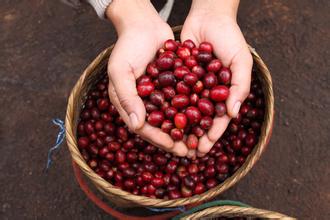
The origin of cat poop coffee beans fine coffee
Kopi Luwak is made in Indonesia. In the early 18th century, the Dutch established coffee plantations in the Indonesian colonies of Sumatra and Java, and banned locals from picking and eating their own coffee fruits. Indonesian locals inadvertently found that civets love to eat these coffee fruits and will drain the beans intact when defecating. The civet can only pick the most familiar.

African coffee brand which is good Ethiopia Guji Kaiyong Mountain wild cherry sun rich flower fragrance
Professional coffee knowledge exchange More coffee bean information Please pay attention to coffee workshop (Weixin Official Accounts cafe_style) Front Street-Ethiopia Guji Kaiyong Mountain Wild Cherry Sunlight Introduction Guji GUJI Zone was established as an independent production area by ECX (Ethiopian Commodity Exchange) in 2010 due to its superior geographical location and cup flavor. Charkiso is the most attractive in the Gugi region

Fine coffee Ethiopian coffee bean quality Ethiopian coffee bean processing method
The coffee tree originated in Ethiopia, which was originally a wild plant here, and the name coffee comes from the Ethiopian town of Kaffa. In fact, many coffee trees in Ethiopia are still wild plants, and the coffee grown on this coffee tree is full-grained and slightly alcoholic. Humans may have known how to grow coffee trees as early as the 9th century, but

Ethiopian Coffee Flavor description introduction of High-quality Coffee varieties in producing areas
Ethiopia is the birthplace of the famous Arabica coffee beans, and people have always maintained the tradition of harvesting wild coffee beans. The coffee garden at an altitude of more than 1500 meters has formed a unique coffee style after thousands of years of evolution and adaptation. Ethiopian coffee grown in the natural wild environment is called wilderness coffee, which retains the most primitive and natural taste of coffee beans.

Origin of Cat poop Coffee beans Kopi Luwak Coffee beans Fine Coffee
Kopi Luwak is made in Indonesia. In the early 18th century, the Dutch established coffee plantations in the Indonesian colonies of Sumatra and Java, and banned locals from picking and eating their own coffee fruits. Indonesian locals inadvertently found that civets love to eat these coffee fruits and will drain the beans intact when defecating. The civet can only pick the most familiar.

Introduction of several fermentation processes in the production of Indonesian civet coffee Kopi Luwak
At present, there are still two modes of production of civet coffee in Indonesia. One is the civets from the wild, which need someone to collect the civet poop that can be found like mushrooms, and then do the sun or water washing treatment. However, because the civet is a nocturnal animal, lives in the jungle area and does not eat much, the coffee beans produced by wild civets are very rare. that

Introduction of famous Ecuadorian coffee manufacturer Wild Coffee _ famous coffee brands in Ecuador
Professional coffee knowledge exchange more coffee bean information Please follow Coffee Workshop (Wechat official account cafe_style) FINCA CHITO-KARLA GARCIA Karla Garca is an economist, food science engineer and student at the University of Barcelona with a master's degree in supply chain management and logistics. She is a true coffee lover and businesswoman who is committed to working in the country.
Wild coffee
The phenomenon of the dominance of traditional famous coffee was finally broken in one day. For several consecutive years since 1995, a product extracted from wild coffee beans from Hawaii in the United States has won the championship in the local and Tokyo grading meetings. It has been rated above AA++, and its quality indicators and prices have also exceeded that of Blue Mountain. Within two or three years, it has become the boudoir of the world coffee family.
Ethiopian Coffee Encyclopedia
The coffee tree originated in Ethiopia, it was originally a wild plant here, and the name coffee comes from the small town of Ethiopia-Kaffa. In fact, many coffee trees in Ethiopia are still wild plants, and the coffee grown on this coffee tree is full-grained and slightly alcoholic. Ethiopia Harra in Ethiopia a long time ago, wild coffee was always raw.

Fine coffee cat poop coffee processing method processing method wet planing method coffee beans
Cat poop coffee, Indonesia. In the early 18th century, the Dutch established coffee plantations in the Indonesian colonies of Sumatra and Java, and prohibited the locals from picking and eating their own coffee fruits. Indonesian locals accidentally discovered that civet cats love to eat these coffee fruits and will expel the beans intact when defecating. Civets only pick the best.
Wild coffee in Hawaii
The phenomenon of the dominance of traditional famous coffee was finally broken in one day. For several consecutive years since 1995, a product extracted from wild coffee beans from Hawaii in the United States has won the championship in the local and Tokyo grading meetings. It has been rated above AA++, and its quality indicators and prices have also exceeded that of Blue Mountain. Within two or three years, it has become the boudoir of the world coffee family.